
Cable Protectors in Mining
- By Justrite Safety Group
- Aug 22, 2025

Cable Protectors in Mining
How Cable Protectors Reduce Downtime and Improve Safety in Mining
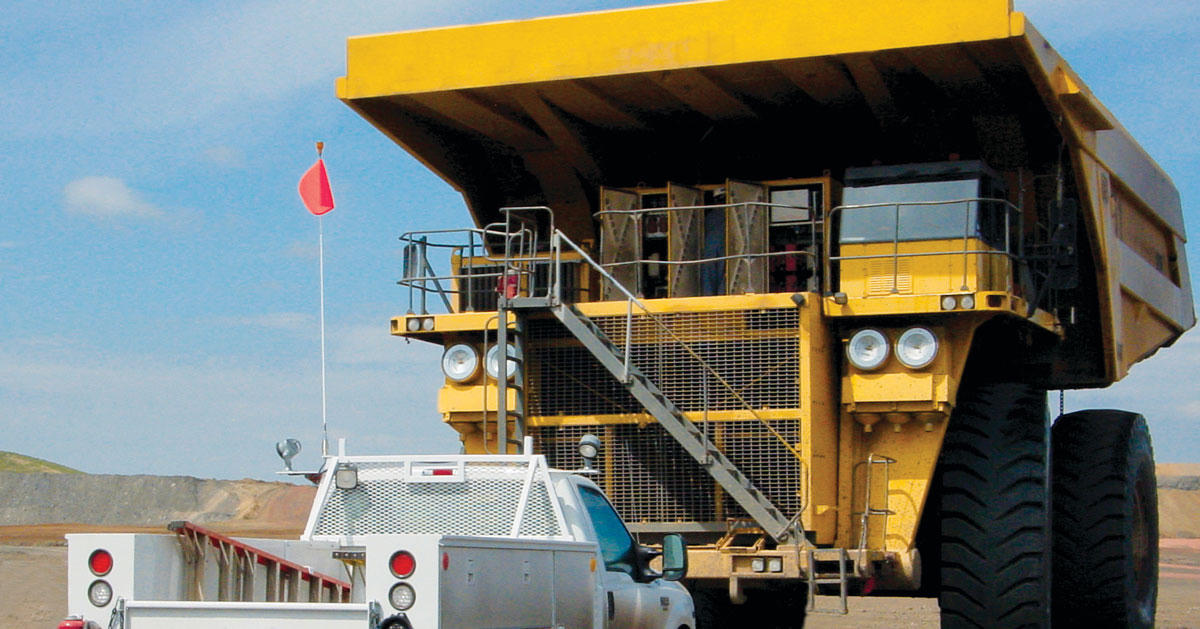
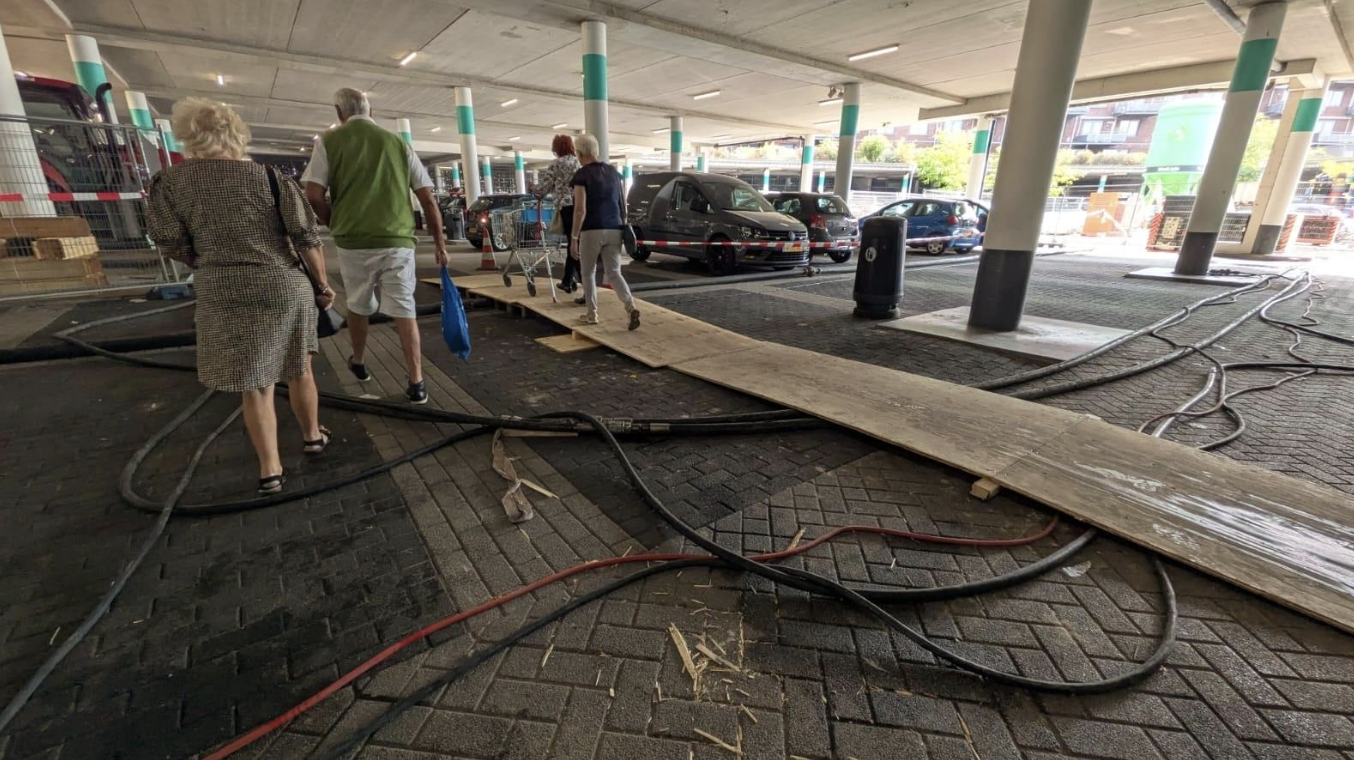
In mining operations, where heavy equipment and powered tools are in constant use, cables and hoses are unavoidable. But left unprotected, they pose two serious risks: tripping hazards to workers and physical damage that can lead to expensive downtime. From draglines and drills to mobile substations and compressors, exposed cables in mining are a consistent source of safety violations and productivity loss.
Choosing the Right Cable Protector for Your Mining Operation
To get the right solution for your site, ask these four essential questions:
1. How many cables do you need to cover?
This will help determine how many channels your cable protector needs.
2. What is the outside diameter of those cables?
The thickness of your cables determines the channel height and width required for safe coverage. As a rule of thumb: fewer channels often means deeper channels for thicker cables.
3. What kind of traffic will be crossing over the cables?
Will the protector need to withstand pedestrian traffic, light utility vehicles, or heavy mining equipment? Check the load-bearing capacity per axle and choose accordingly.
4. Do you need to consider the connector style?
You want to make sure that the connector is compatible with your needs and existing setups.
Checkers Safety™ cable protectors offer a reliable solution. These systems are built from an extremely durable polyurethane that resists weather, UV exposure, oil, and chemicals, essential for environments like open-pit mines or underground tunnels. More than just a shield, these protectors help organize cords neatly in dedicated channels, improving housekeeping and minimizing risk across walkways and road crossings.
Checkers’ modular systems, like the GD5x125: 5-Channel Guard Dog® Cable Protector and YJ5-125-AMS-Y/B: Yellow Jacket® AMS® System can interlock to create seamless protection over long distances. Visibility is another key feature: bright colors like yellow and orange make cables and ramps highly noticeable to operators, helping prevent accidental collisions. For areas requiring accessibility, ADA-compliant ramps ensure inclusivity without sacrificing safety.
OSHA 1926.416(b)(2) mandates that walkways and workspaces remain clear of cords. If rerouting isn't possible, using a cable protector becomes the next best and compliant option. Regular use of these systems not only meets regulatory requirements but also extends cable life and lowers maintenance costs.

Build a Safer, More Compliant Jobsite
Get the white paper: Safety for the Mining Industry
Featured Products
-

-
 ADA Ramps for GD5X125 5-Channel Guard Dog® Cable Protector - CPRP-5GD-BLUModel No: CPRP-5GD-BLU$810.00
 -
 5-Channel Yellow Jacket® Heavy-Duty Cable Protector AMS® System AMS® System - YJ5-125-AMS-Y/BModel No: YJ5-125-AMS-Y/B$351.00
FAQ: Cable Protectors
Q1: Why are cable protectors important in mining?
A: They prevent slips, trips, and cable damage caused by heavy equipment or pedestrian traffic in rugged mining environments.
Q2: Are cable protectors OSHA compliant?
A: While not mandated by name, they help meet OSHA 1926.416(b)(2) by keeping walkways clear of cords.
Q3: What should I consider when buying a cable protector?
A: There are mainly 4 questions you should ask when buying a cable protector. This article breaks them down:
Questions to Ask When Buying Cable Protectors | Checkers-Safety
Q4: Can I connect multiple protectors together?
A: Yes. Modular systems like
YJ5-125-AMS-Y/B: Yellow Jacket® AMS® System
offer interlocking designs for flexible setups.