
Warning Whips in Mining
- By Justrite Safety Group
- Aug 22, 2025
Warning Whips in Mining
Improve Operator Visibility with Warning Whips in Mining Operations
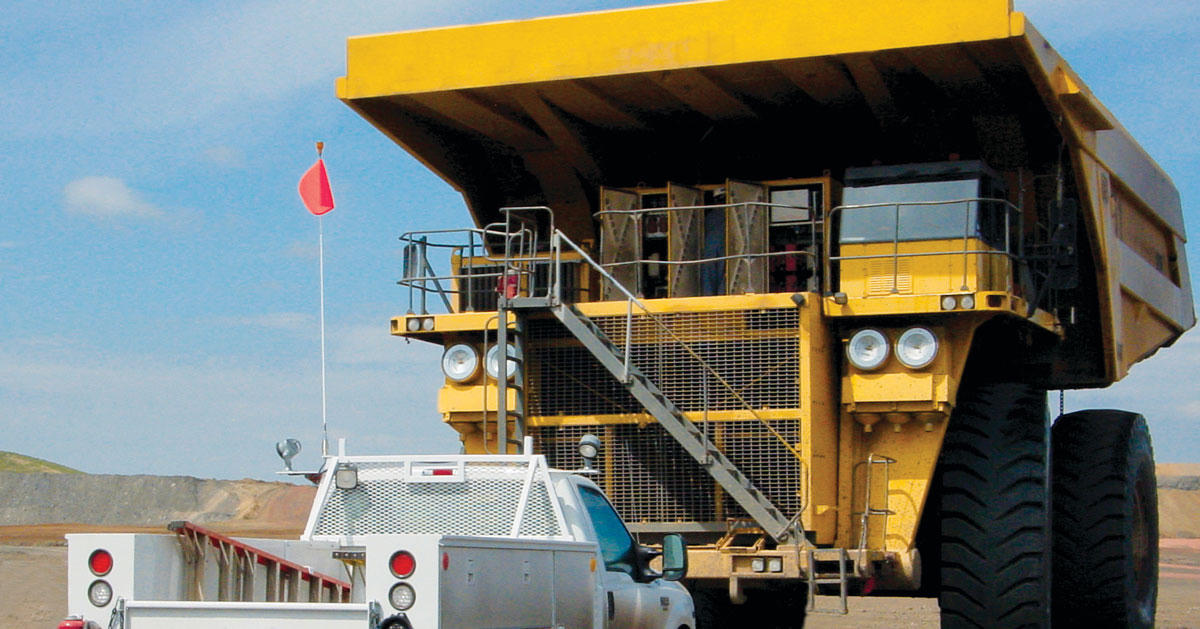
Mining sites are high-risk zones for vehicle collisions due to blind spots, elevation changes, and low visibility caused by dust or weather. Support vehicles like ATVs and service trucks can easily go unnoticed by operators of haul trucks or loaders. To encourage vehicle visibility safety in mining, many operations rely on high-visibility mining warning whips.
When to Use Warning Whips for Mining Vehicle Safety
- On ATVs, service trucks, or utility vehicles navigating haul roads
- In low-light, foggy, or high-dust conditions
- On sites with elevation changes or poor lines of sight
- When site rules require additional visual identifiers for traffic management
When operators cannot see you, it is already too late.
Blind spots, elevation changes, and poor visibility from dust or weather make mining vehicles a top collision risk. That is why more mine sites are requiring high-visibility warning whips as part of their safety protocols.
Checkers Safety™ warning whips are available in both lighted and non-lighted models and feature rugged designs with fiberglass poles, stainless steel mounting hardware, and high-visibility Day Bright™ fluorescent flags. For enhanced visibility in dark or dusty conditions, models like the FSLEDA8OYA: 8' Amber LED Wrapped Lighted Whip include LED-wrapped shafts and reflective X-marked flags that increase detection from long distances.
Though not mandated federally, mining warning whips are an industry standard. Canadian safety codes, such as Alberta's OHS Part 19, recommend visual identification tools when audible alarms are not sufficient. Many mine sites require them in their traffic control plans as part of daily operation protocols.
Whips not only improve visibility but can also be used for vehicle identification. Using different colors or lighting combinations can help supervisors track vehicle roles or assignments more efficiently.

Build a Safer, More Compliant Jobsite
Get the white paper: Safety for the Mining Industry
Featured Products
-
 All-Purpose 8' Amber LED Wrapped Lighted Warning Whip, w/ Orange Flag and Amber Light - FSLEDA8OYAModel No: FSLEDA8OYA$363.00

Frequently Asked Questions About Mining Warning Whips
Q1: Are warning whips required for mining vehicles?
A: Yes. While not federally mandated in the U.S., many mining companies and Canadian provinces require them under site safety rules or traffic control plans. For example, Alberta’s OHS Part 19 recommends visual identifiers when audible alarms are not enough.
Q2: When should I use a lighted warning whip in mining operations?
A: Use lighted whips in low-light, foggy, or dusty environments where vehicle visibility is poor. LEDs improve detection at greater distances and in adverse weather.
Q3: How tall should a mining vehicle warning whip be?
A: Most warning whips range from 6 to 12 feet, depending on vehicle height and terrain. ATVs often use shorter whips, while haul trucks require taller options for visibility over large equipment.
Q4: What makes Checkers warning whips durable for mining use?
A: They have fiberglass poles for flexibility, stainless steel mounting hardware for corrosion resistance, and sealed LED wiring for weatherproof performance, reducing maintenance and replacement costs.
Q5: How do I choose the right warning whip for my mine site?
A: Select height based on vehicle profile, choose a high-visibility flag color for daytime use, and add an LED light source for night or dusty conditions. Consider reflective flags for extra detection.