
Cable Protectors in Construction
- By Justrite Safety Group
- Aug 27, 2025
Cable Protectors in Construction
Preventing Trip Hazards and Staying OSHA-Compliant with Cable Protectors
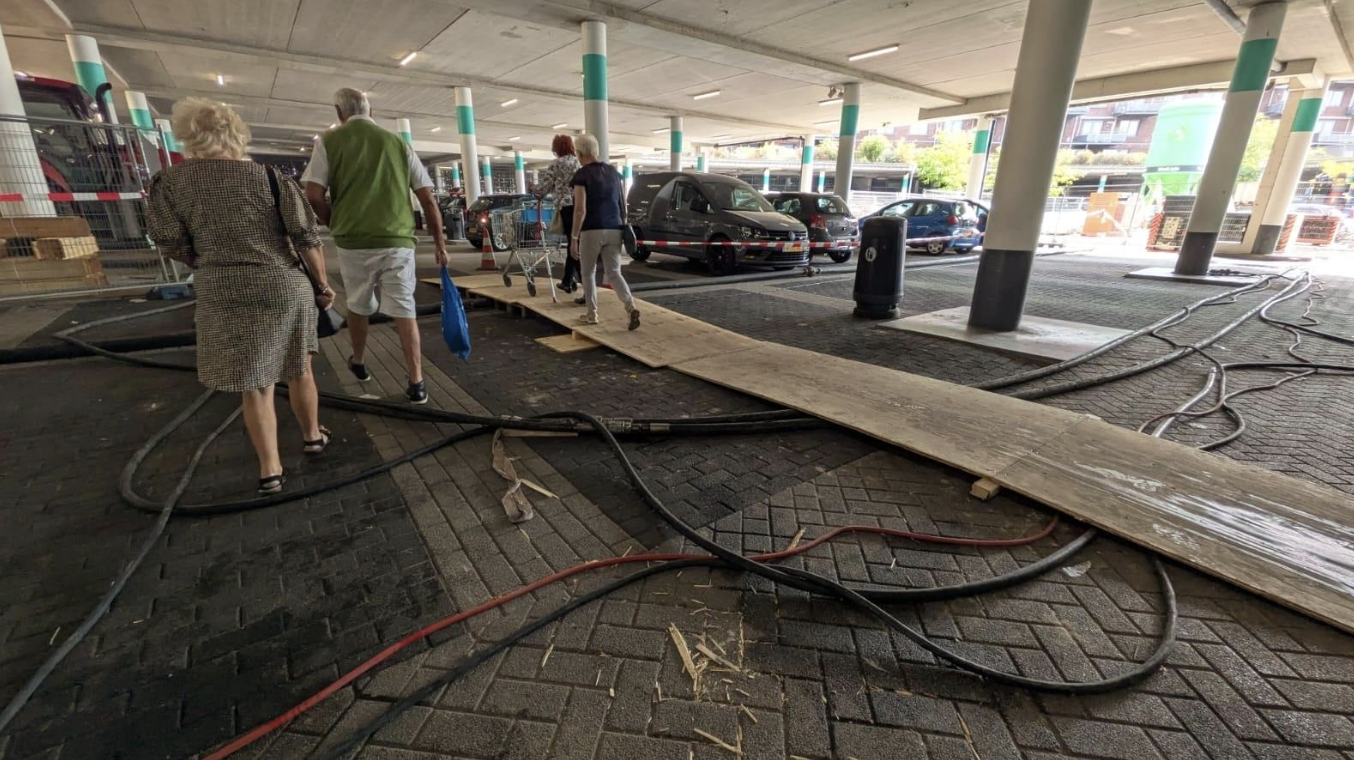
Construction sites are filled with powered equipment, cables, and hoses. And every one of them poses a risk. Without proper management, exposed cables can lead to trip hazards, damaged cords, and ultimately, costly downtime or injury. OSHA statistics show that slips, trips, and falls account for a large share of construction-related injuries and exposed cords are a common contributor.
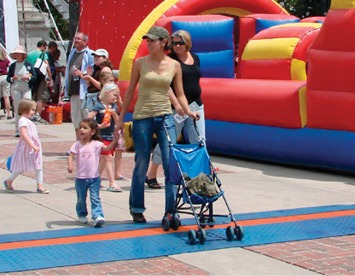
Checkers' cable protectors not only organize and safeguard cables, but also align with OSHA regulations requiring safe walkways and protected electrical equipment (1926.416 and 1910.304). These protectors also minimize equipment downtime by shielding power cords from crushing forces, abrasion, and environmental exposure. High-visibility colors, interlocking modular designs, and ADA-compliant ramps all support a safer, more compliant worksite.
Beyond compliance, cable protectors reduce replacement costs for damaged cables and improve operational efficiency. Their modularity and visibility make them a go-to solution for transient crews and busy, fast-moving jobsites.
Compliance Tip: According to OSHA 1926.416(b)(2), "working spaces, walkways, and similar locations shall be kept clear of cords so as not to create a hazard to employees." Cable and hose protectors are the preferred solution when rerouting isn’t possible.

Build a Safer, More Compliant Jobsite
Get the white paper: Guide to Safety for the Construction Industry
Featured Products
-

-
 ADA Ramps for GD5X125 5-Channel Guard Dog® Cable Protector - CPRP-5GD-BLUModel No: CPRP-5GD-BLU$810.00
 -
 5-Channel Yellow Jacket® Heavy-Duty Cable Protector AMS® System AMS® System - YJ5-125-AMS-Y/BModel No: YJ5-125-AMS-Y/B$351.00
FAQs:
Q1: Are cable protectors required by OSHA on construction sites?
A: While OSHA does not mandate specific cable protectors, it requires walkways and working areas to be free from tripping hazards. Under OSHA 1926.416(b)(2), exposed cords must be managed safely, and cable protectors are the recommended solution when rerouting is not possible.
Q2: How do cable protectors improve jobsite safety?
A: Cable protectors prevent slips, trips, and falls by keeping cords organized and covered. They also shield electrical cables from damage caused by vehicles, heavy foot traffic, and harsh environments.
Q3: What are ADA-compliant cable protectors?
A: ADA-compliant cable protectors include gently sloped ramps that allow safe access for individuals with disabilities, meeting the standards set by the Americans with Disabilities Act.
Q4: Which cable protectors are best for heavy-duty construction use?
A: Checkers’ Yellow Jacket® and Guard Dog® series are designed for extreme loads, featuring modular interlocking systems and high-visibility designs.
Q5: Can cable protectors be used outdoors?
A: Yes, many cable protectors from Checkers are made from durable materials like polyurethane, which resists UV rays, chemicals, and weather exposure.