
Warning Whips in Construction
- By Justrite Safety Group
- Aug 27, 2025
Warning Whips in Construction
Visibility Saves Lives: How Warning Whips Help Meet Vehicle Safety Standards
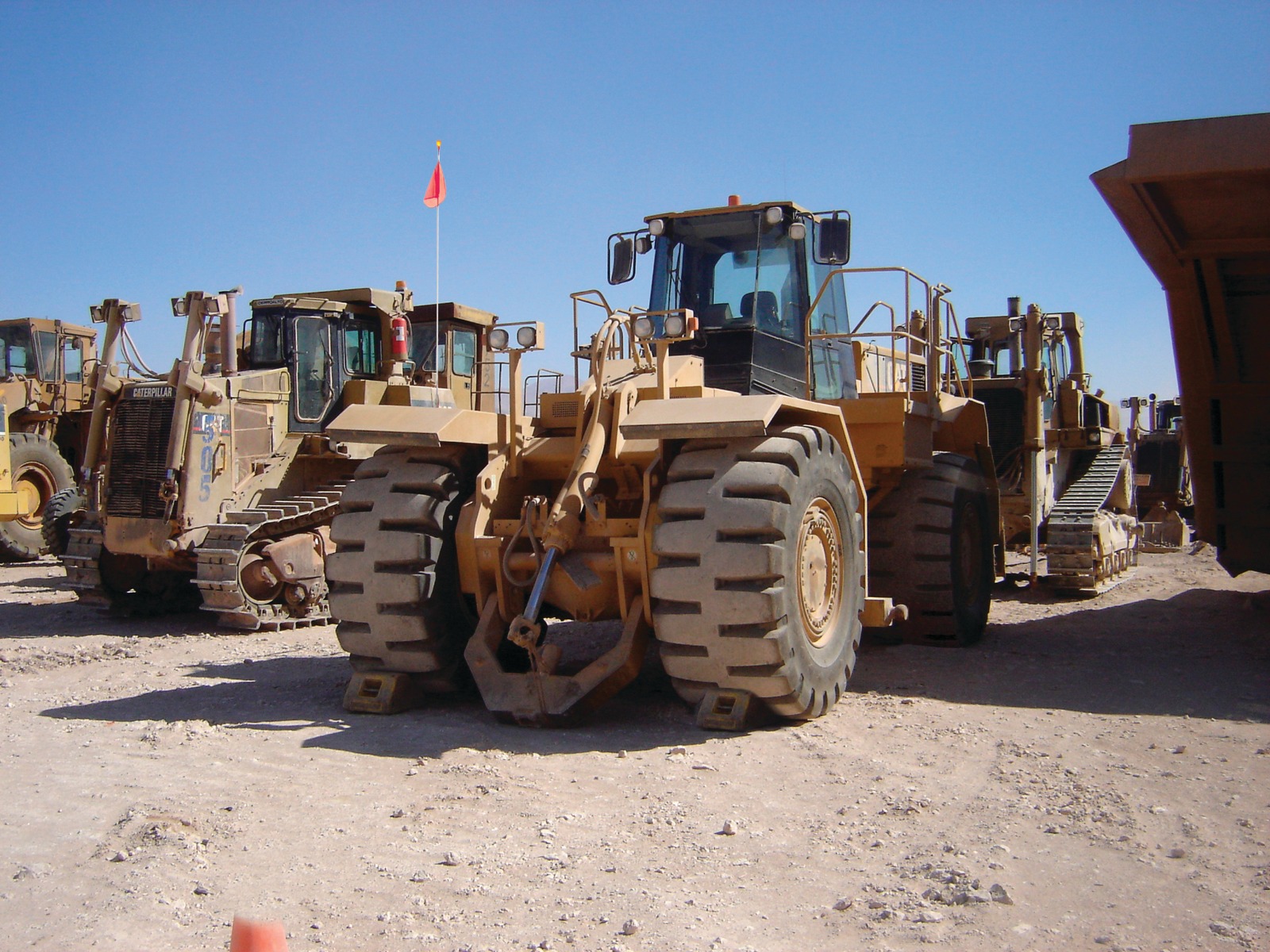
Jobsites with large equipment present serious risks for smaller vehicles and personnel. Blind spots, dust, darkness, and inclement weather only add to the challenge. Warning whips raise visibility and make sure support trucks, ATVs, or service vehicles are seen from a distance.
Checkers’ whips come in multiple heights and colors, with options for LED lights and reflective X-markings to maximize visibility. Some models even feature strobes and rugged construction to handle constant vibration and harsh environments.
While OSHA doesn’t explicitly mandate warning whips, many site-specific policies do. Also, Canadian provincial codes, like Alberta’s, include them in traffic control plans when visual warnings are needed. Whips are an industry best practice that help prevent vehicle-to-vehicle and vehicle-to-worker collisions.
Build a Safer, More Compliant Jobsite
Get the white paper: Guide to Safety for the Construction Industry
Featured Products
-
 All-Purpose 8' Amber LED Wrapped Lighted Warning Whip, w/ Orange Flag and Amber Light - FSLEDA8OYAModel No: FSLEDA8OYA$363.00

FAQs:
Q1: Are warning whips required by OSHA?
A: OSHA does not explicitly require warning whips, but many site-specific safety policies and Canadian provincial regulations recommend or require them to enhance vehicle visibility.
Q2: What height should a warning whip be?
A: Whip height depends on vehicle size and terrain. Most whips range from 3' to 12'. Taller whips are ideal for mining and off-road environments to increase visibility over obstructions.
Q3: What features improve whip visibility?
A: LED lighting, reflective X-flags, strobe lights, and bright-colored poles all improve whip visibility, especially in dusty, dark, or inclement conditions.
Q4: Do warning whips break easily?
A: Checkers Safety warning whips are made from premium fiberglass resin for durability and vibration resistance, outperforming many imported or lower-cost options.
Q5: Where are lighted whips commonly used?
A: Lighted whips are used in mining, construction, industrial sites, airports, and anywhere vehicles need high visibility to prevent collisions.