
Cable Management: How to Choose Cable Protectors for Large-Scale Events and Gatherings
- By Dan Carver
- Jan 22, 2024


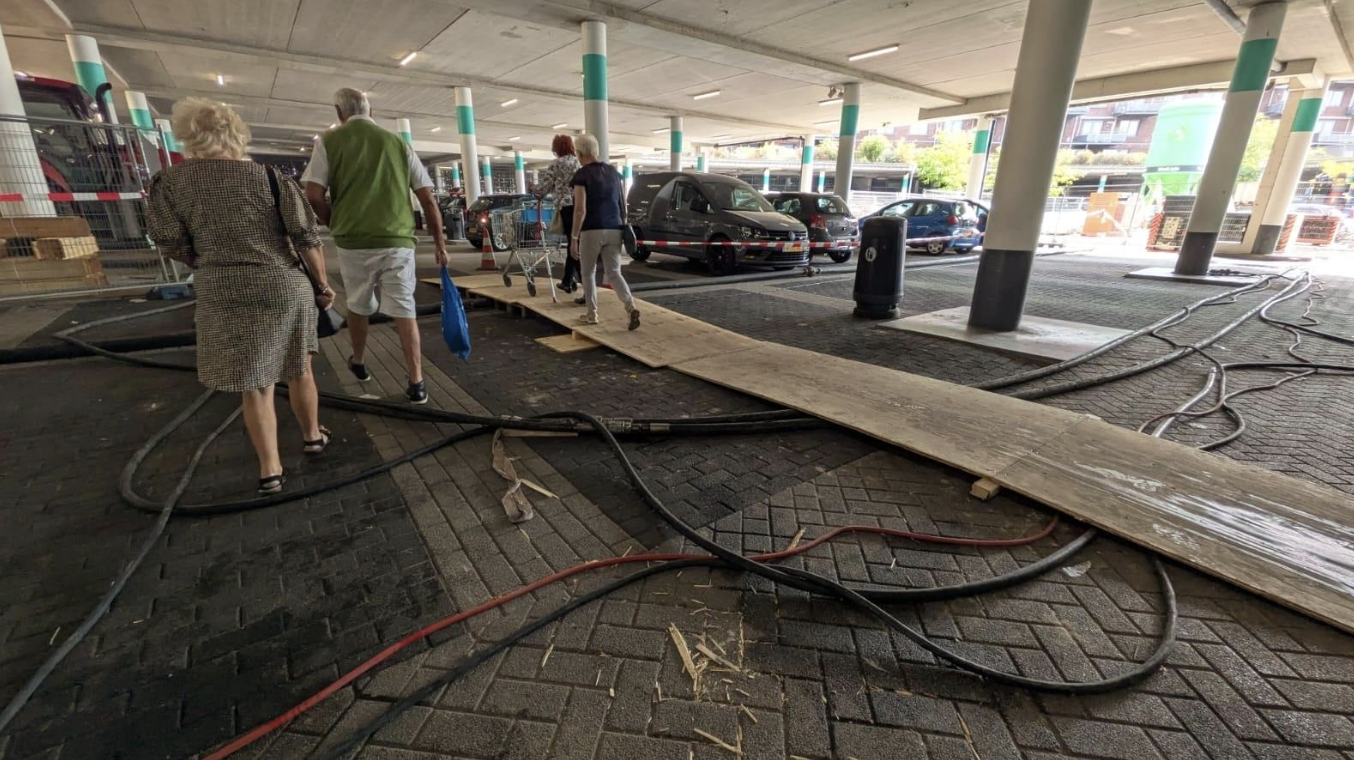
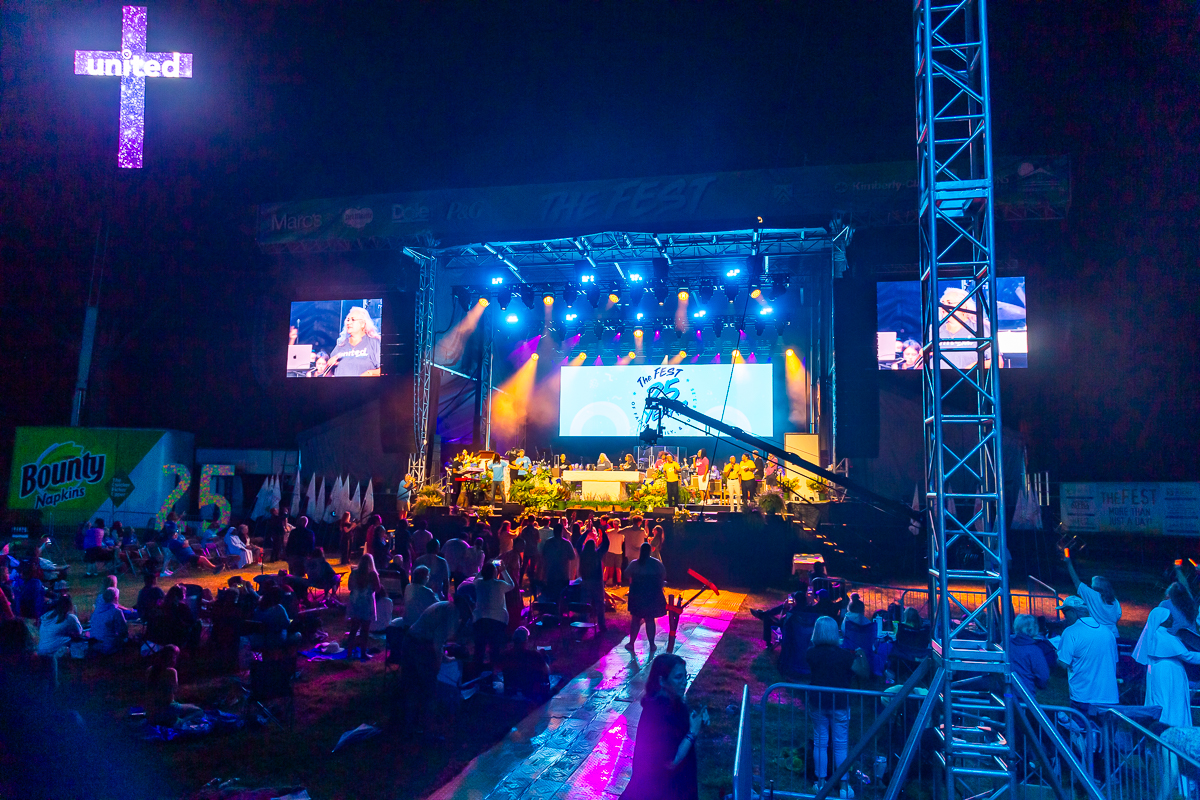
Large-scale events such as concerts, sports contests, conferences, festivals, and conventions require extensive temporary power, audio, lighting, and telecom cabling. These cables often run across pedestrian walkways, vehicle routes, and high-traffic gathering areas. Without proper cable protection, exposed cords create trip hazards, equipment risks, and potential compliance issues.
Depending on the event and the venue, these conduits are utilized for public address, sound systems, microphones, instruments, lighting, jumbotrons, scoreboards, temperature control, public safety, telecommunications, and special effects, like pyrotechnics.
Some of the cables and wires remain in place permanently, while others are assembled specifically for an event or competition. For example, Levi’s® Stadium, which hosts major sports championships, rock concerts, and automotive events in the San Francisco Bay Area, uses 400 miles of data cable within the venue, 70 miles of which is just to support Wi-Fi. A temporary concert tour at a large stadium can take days to set up, with the complex sound and lighting systems used today, and hundreds of workers may be involved in laying floor cables that take multiple semi-trucks to transport.
For event planners and venue owners, safeguarding power and telecom conduits with cord protectors becomes a critical necessity to ensuring uninterrupted power supply, maintaining safety standards, and minimizing potential hazards. Without protecting cords, cables, and wires, the risk of sound issues, delays, and failed stage effects is higher. Even worse, concert halls, arenas, and event organizers leave themselves open to PR nightmares and costly lawsuits if a performance doesn’t go as planned or if an attendee is injured.
Understanding how to select the right cable protectors for events will help you maintain safety, accessibility, and uninterrupted performance.
Understanding the Different Levels for Protecting Cables
Typically, light-weight drop-over cord covers are used for professional and home office or home theater cord protection, while their heavier counterparts are employed for commercial use in high-demand settings.
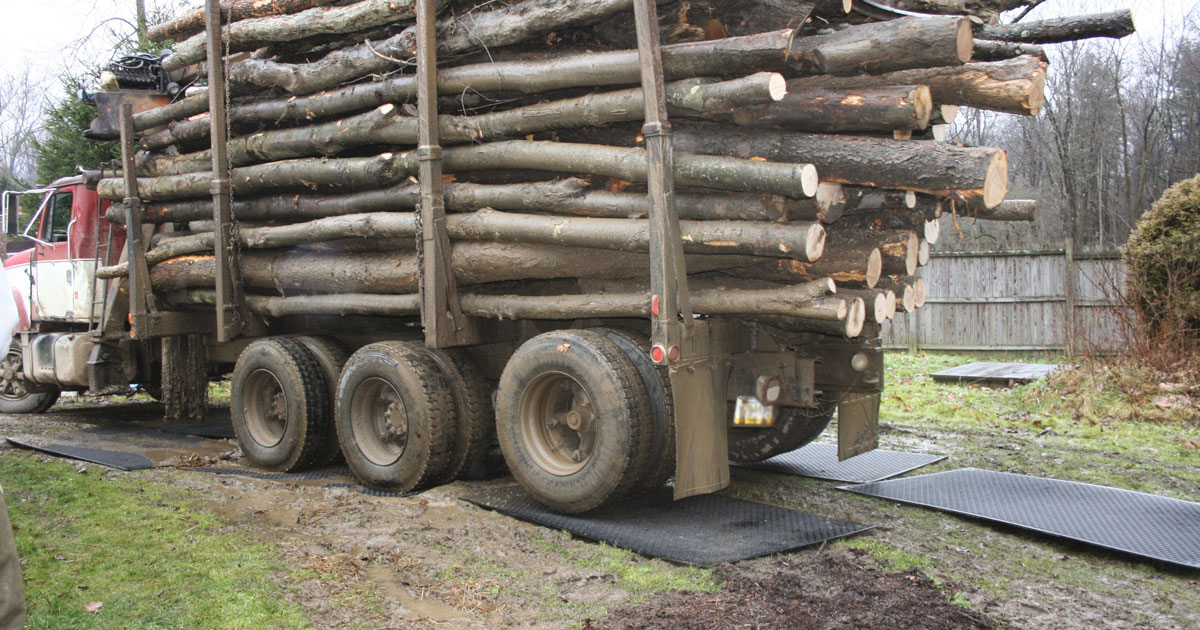
At large-scale events, with substantial foot and vehicle traffic, heavy-duty cable covers are the way to go. Areas limited to pedestrian traffic may only require low-profile or medium-duty cable protectors. However, any location exposed to cars, delivery trucks, forklifts, or production equipment should use heavy-duty cable ramps rated for vehicle loads. Without adequate load-rated protection, repeated vehicle crossings can damage cables and disrupt power, audio, or lighting systems during the event.
What makes a cable protector “heavy-duty?” It’s the cover’s load capacity that determines its label. Load capacity is in turn affected by:
- The number of individual channels inside the cable sleeve, each channel housing one cord or wire.
- The height and width of the channels.
- The thickness of the ribs that make up the construction of the channels.
- The thickness of the top of the cable protector.

Sometimes steel inserts are used inside cable cover channels to increase their load capacity. If you think of a cable cover like a bridge running over perpendicular roadways below, load capacity makes sense. The bridge needs to support the weight of vehicles driving over it, without collapsing onto the roads beneath.
Not all cable hiders have to be heavy-duty, though. You may have areas where medium- or light-duty covers are appropriate. For instance, you might use medium-duty protectors in staff-only areas with less traffic.
ADA Cable Protectors

It’s important to remember that most public spaces, including large-scale events, must be accessible to all. This means complying with regulations outlined in the Americans with Disabilities Act, also known as the ADA.
How does the ADA affect cable protectors? Standard cable protectors can have an abrupt incline that isn’t passable by people in a wheelchair. Others might trip and fall after stumbling on a cable cover. Neglecting ADA standards and regulations at events can expose you to potential liability lawsuits or discrimination claims.
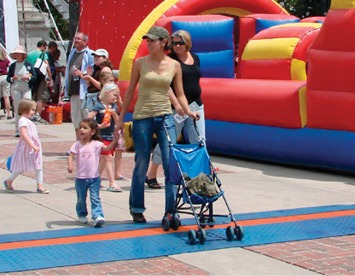
Luckily, there’s an easy solution to ensure your events are compliant even when you need to hide cords: ADA cable protector ramps. These low-profile covers follow ADA guidelines for all ramps, which state that slopes may not be steeper than 1:12, or one inch of rise for every 12 inches of run.
You can blend ADA cable protectors with standard ones to create designated areas for smoother cord crossings, catering to those requiring easier access.
ADA-compliant cable ramps are especially important in public walkways, entrances, and accessible seating areas. These low-profile cable protectors provide gradual slopes that allow wheelchairs, walkers, and mobility devices to cross safely.
Special Considerations for Major Events
In addition to using heavy-duty cable protectors that comply with ADA standards, what else should you think about for the best cable management at large-scale events and gatherings?
You’ll need to consider the space and layout. Large events often span extensive areas–sometimes both indoors and outdoors– with varying foot traffic and equipment movement. Plan cable routing early to minimize crossings in high-traffic pedestrian areas and reduce the number of vehicle-rated cable ramps required.

Choosing cable protectors that cover the entirety of these spaces ensures comprehensive protection for both cables and attendees. Fortunately, there are various connectors that can extend cable protection to any desired length, whether you’re in a conventional football stadium or a more unique venue like Red Rocks Park and Amphitheatre, with its 8,700 seats that span 2.5 miles in length.
The configuration of the venue matters, as cable placement is based on available power sources, which have a limited amount of amperage (current capacity). As an event planner or host, you may wind up running power cords, for instance, quite some distance if there is no electrical outlet nearby. Or, you may have cords coming from many different directions if you need to split up the power supply across multiple receptacles. While it’s ideal to run these cords through an audience-free zone, it may not always be possible.
Those cords must be protected along their entire length, in order to: a) ensure the function and longevity of the equipment; b) prevent electric shock potential; and c) eliminate tripping hazards for attendees, employees, and performers or athletes.
If the event is held outdoors, there is yet another consideration, which is protection from inclement weather. The right cord hider will not only safeguard cords and cables from precipitation, it will also provide traction with a slip-resistant surface to reduce pedestrian accidents.
The Advanced Modular System (AMS) provides virtually unlimited possibilities when connecting cable protectors in different directions. This system offers the flexibility to integrate ADA-compliant protectors, so you can easily switch out ADA components when they're not required and replace them with standard covers as needed.
For increased flexibility, check out the ADA Ramp and Rail System. You can use this to add ADA rails and ramps to standard covers.

Other accessories include overhead hanging cable protectors — hooks to use when cables can’t run along the ground. These are great to purchase in bulk to organize cords and keep them locked in place over walls and fences at events. They also prevent tripping accidents and wear-and-tear from foot and vehicle traffic.
Choosing the Right Event Cable Protectors
Selecting cable protectors for large-scale events requires evaluating pedestrian flow, vehicle crossings, load capacity, and accessibility needs. Low-profile cable protectors are ideal for public walkways, while heavy-duty cable ramps are required for vehicle routes and production areas.
Explore:
- Cable protectors for events and pedestrian traffic
- Heavy-duty cable ramps for vehicle crossings
- ADA-compliant cable protectors for accessible pathways
- Modular cable protector systems for large venues
If you need help determining load ratings or configuring cable protection for your venue, contact us for product recommendations based on your event layout and traffic conditions.