
How to Choose a Cable Protector that Complies with ADA/DDA Industry Regulations
- By Dan Carver
- Dec 19, 2023


ADA-compliant cable protectors are designed to protect cables while maintaining accessible pathways for pedestrians, including individuals who use wheelchairs or mobility devices. In public spaces and commercial facilities, cable ramps must meet slope and surface guidelines outlined by the Americans with Disabilities Act.
Selecting the right ADA cable protector requires understanding how accessibility standards affect ramp height, incline, and surface design, especially in areas with pedestrian traffic.
Heavy Duty Cable Protection Helps Safeguard Equipment
Of course providing cord covers and cable protection is a key function of cable protectors. This ensures equipment integrity when you rely on these elements for electrical power, telecommunications, and other aspects of workplace operation. When cable protectors prevent damage, they also extend the lifespan of your equipment, so your investment goes a long way. Additionally, cable protectors can stop wear and tear from abrasion and erosion that can result in other safety concerns, like electrical shock or fire.
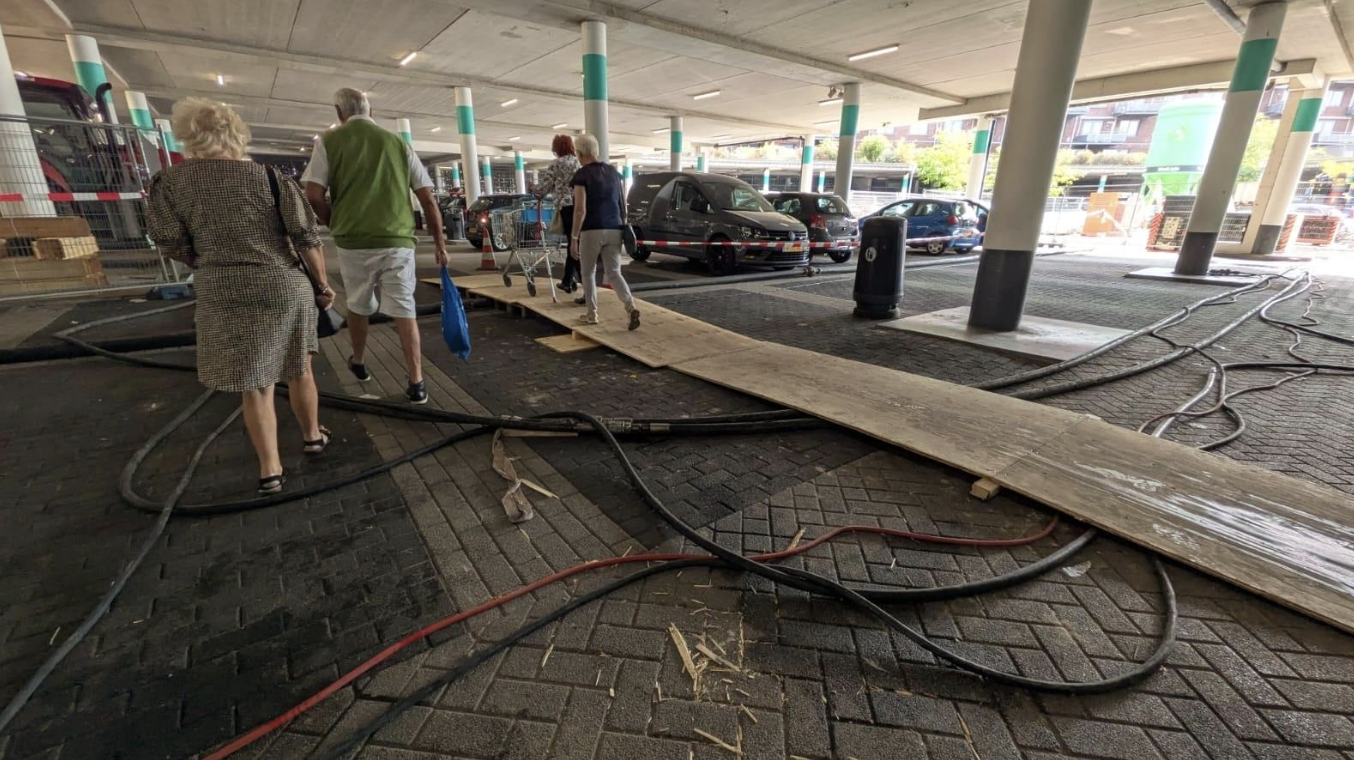
However, cable protectors also safeguard people in the workplace, whether you run a manufacturing facility, construction site or direct events at temporary locations. These protectors help eliminate tripping hazards from extension cords and wires, which can cause falls and injuries, or even liability lawsuits. They reduce workplace accidents, which in turn decreases employee absences and workers compensation claims. Investing in cord protectors can actually save your business money in the long-term.
So, how do you go about selecting cable protectors? First, it’s important to understand how ADA/DDA cable protectors are constructed.

How ADA/DDA-Compliant Cable Protectors Are Different

Business owners and safety officers must consider all employees and outside visitors when thinking about pedestrian or foot traffic in areas requiring cable protectors. In fact, adhering to regulations from the ADA (Americans with Disabilities Act) and the DDA (The Developmental Disabilities Assistance and Bill of Rights Act) is required by law for commercial entities and public buildings. Failure to follow accessibility guidelines can result in compliance violations and potential liability.
Cable protectors are constructed in many different ways. People with mobility issues, for example, and those in wheelchairs may find some have too steep of an incline, making passage over them uncomfortable or even impossible. Therefore, places that use cable covers must follow ADA guidelines for some ramps, which state that slopes may not be steeper than 1:12. This means that there may be only one inch of rise for every 12 inches of run.
ADA cable protectors, sometimes called ADA/DDA cable protectors, use this type of gentle slope to ensure spaces are accessible to all, including people in wheelchairs. Unlike permanent ADA building ramps, ADA cable protectors are temporary or modular cable management solutions that incorporate compliant slope ratios into the ramped surface covering the cables. The gradual slope is integrated into the unit’s construction. ADA cable protectors offer other features as well.
First, connectors in the covers are recessed to create a seamless surface. This fabrication eliminates seams or cracks that could cause trips, falls, or blockage of wheelchairs.
Second, ADA cable protectors can be connected to other types of cable protectors. You can add ADA-compliant segments to a stretch of different covers, so the entire run doesn’t need to be ADA compliant. It still provides plenty of access, so everyone’s needs are met, whether they’re in a wheelchair or on foot. It can also handle vehicle traffic.
Configure Cable Protection Systems for Different Spaces and Situations
Checkers makes cable management easy with the snap-together features of the best cable protectors. They’re available in segments, which lets you cover a small space or a very large area simply by choosing the number of segments you need. If your cable protection requirements vary, such as for events at different venues, you can always configure the right size by changing the number of pieces utilized.

Advanced Modular Systems
Modular cable protector systems provide flexibility when configuring accessible pathways in facilities and event spaces. Systems like the Advanced Modular System (AMS) allow cable protector segments to connect in multiple directions, making it easier to integrate ADA-compliant ramp sections where required and standard cable protectors elsewhere.
This flexibility is especially useful in temporary installations, event venues, and multi-use spaces where accessibility requirements may vary. ADA-compliant ramp components can be added or removed as needed, allowing organizations to maintain compliant pedestrian routes while still protecting cables and hoses.
For additional adaptability, ADA ramp and rail systems can be fitted over compatible cable protectors to create a gradual, accessible transition for pedestrians and wheelchair users without requiring a full system replacement.
Guard Dog Low-Profile Cable Protectors
Guard Dog® low-profile cable protectors are designed to protect cables while maintaining accessible pedestrian pathways. Their gradual ramp design helps support ADA-compliant crossings in public walkways, entrances, and event spaces where mobility access is required.
The low-profile configuration reduces abrupt elevation changes, making crossings more manageable for individuals using wheelchairs, walkers, and other mobility devices. Guard Dog protectors also feature slip-resistant surface patterns to improve traction in high-traffic indoor and outdoor environments.
When accessibility and cable protection must work together, low-profile Guard Dog cable protectors provide a practical solution for managing cords and hoses without creating unnecessary barriers.
Multi-Channel Cable Protectors
In environments where multiple cables must cross an accessible pathway, multi-channel cable protectors provide organized routing while maintaining a continuous ramped surface. ADA-compliant multi-channel designs incorporate recessed connectors and smooth transitions to help reduce gaps or uneven seams that could interfere with wheelchair movement.
These configurations are especially useful in event venues, production spaces, and public facilities where power, audio, and telecommunications cables must be managed together without compromising accessibility. Whether you choose the Guard Dog Series 5-Channel ADA Cable Protector or the Yellow Jacket Series 5-Channel Cable Protector, trust these are designed with the needs of all users in mind.
Choosing the Right ADA-Compliant Cable Protector

When selecting an ADA-compliant cable protector, consider:
- Slope ratio and ramp height
- Pedestrian traffic levels
- Indoor or outdoor use
- Load requirements if vehicles may cross
- Number and size of cables
Low-profile cable protectors are often preferred in public walkways, entrances, and accessible seating areas where gradual transitions are required.
Explore:
ADA-compliant cable protectors
Low-profile cable protectors for pedestrian traffic
Heavy-duty cable protectors for vehicle crossings
If you need assistance evaluating accessibility requirements for your facility or event, our team can help identify appropriate configurations based on your layout and traffic conditions. All Checkers cable guards are manufactured in the USA and are available in multiple colors, including blue, yellow, orange and black.