Mining remains one of the most hazardous industries despite major advancements. This white paper breaks down the leading causes of mine site incidents and offers actionable strategies to improve safety and compliance.
Explore topics like toxic exposure, MSHA inspections, equipment hazards, and fire prevention—all tailored to modern mining environments.
Ideal for site managers, safety officers, and compliance professionals looking to reduce risk and create a culture of safety underground and on the surface.
Is your jobsite as safe as it could be? This practical guide explores the top causes of construction-related fatalities and offers expert insights to improve safety and compliance on-site.
Discover how evolving regulations, workforce shifts, and overlooked risks impact safety programs—and what you can do to stay ahead.
Ideal for safety managers, supervisors, and compliance leaders, this white paper gives you the tools to reduce risks, protect workers, and strengthen your company’s reputation.
Wheel chocks are essential for safety in mining, aviation, and industrial sites. This white paper compares the two most common materials: urethane and rubber. Learn which option offers better strength, flexibility, visibility, and cost efficiency for your application.
Urethane chocks are lightweight, durable, and available in high-visibility colors—ideal for heavy-duty use. Rubber chocks offer affordability, traction, and versatility for everyday or recreational use.
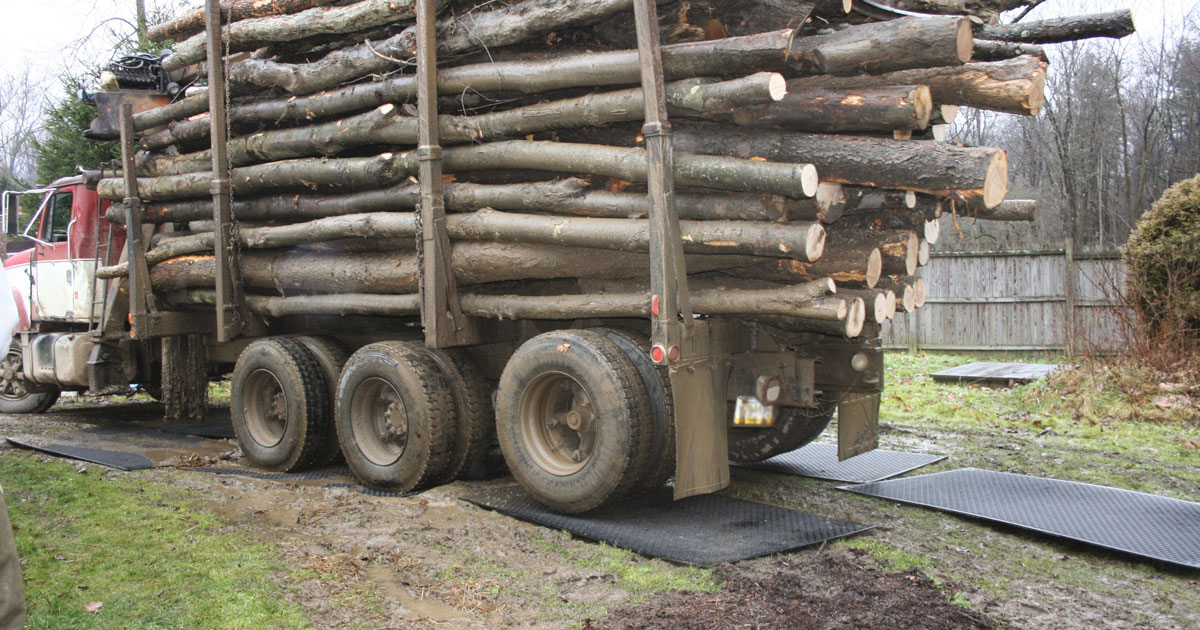
While the technology surrounding modern mining and construction continues to evolve, there are some things that will always remain the same: the havoc wreaked on sites by trucks and heavy equipment. Of particular concern are the cables, lines, and hoses frequently crossing these sites and the expense required to purchase them initially and, when damaged, to replace them. Current Status […]